
By Julie A. Degen-Sprague, J.D., President and Shareholder, Sprague Law, P.C.
“Where is Wilton, Iowa?”
“Why are you practicing in Wilton instead of one of the more populous cities?”
Rural background
These are questions I get on a frequent basis, especially if I am at a CLE or professional event outside of the Central Eastern Iowa area. My standard answer to these questions is that Wilton, Durant, and Muscatine may be small towns, but they have a big market.
A look into my childhood helps frame my perspective. During my earliest childhood memories, I can recall working with my dad and grandfathers on the farm, doing everything from planting crops to taking care of livestock. Having been raised by fourth generation farmers in rural Central Iowa, my life from an early age revolved around the farm. As childhood sped forward, I discovered a second love when I started learning about the legal profession. At the tender age of 11, mock trial taught me some profound lessons that would carry forward and propel me into the field of law. Who can forget those days of mock trial, learning to argue objections and court procedure. As I continued in mock trial through junior high and high school, my life primarily revolved around the farm and our local mock trial team. I understood from an early age that college and law school would be very expensive and largely my own personal expense. Therefore, I focused on academics to attempt to ease the future financial burden of education.
My childhood eventually came to an end as all do, but my love of the farm, love of small towns, and my goal of becoming an attorney stuck with me throughout. I went off to Simpson College in Indianola to study history and then to Drake University Law School for my Juris Doctorate. When I arrived at Drake, I was lucky enough to participate in mock trial yet again at the graduate school level.
Starting in private practice as a young attorney
At the time I graduated from Drake Law School in 2006 there was not a shortage of attorneys in the vast majority of rural counties in Iowa. When I left Drake, I knew I wanted to practice in a small county and live a more balanced life between work and home. In the summer of 2008, I started as a new and only associate at the law firm of Allbee & Barclay. The 100-year-old Muscatine based firm was established by Gustavius Allbee and had seen three generations of Allbees grace its door. When I arrived, it had three locations that the attorneys rotated to on a weekly basis, Muscatine, West Liberty, and Wilton. In 2008, I was one of six attorneys, and I spent time in all three offices. As my career progressed, I focused my practice between Wilton and Muscatine. Each of the three offices had their own distinct practices. However, it wasn’t long into my time in private practice that I began to focus my efforts on the location in Wilton. The practice was primarily built by my mentor and predecessor Gerald Denning. I became the succession plan for the Wilton office.
Between 2008 and 2018, there were several retirements and splits of the firm, as many lawyers experience. Behind the scenes of this landscape, I began to focus again on my rural and farm background while practicing law. Before I realized, my two passions in life of the small town and farm values and my love for the law were merging into one. During the period between 2013 and 2018, I had the pleasure of working with my mentor almost every day. Those are days I wish I had back and realize how blessed I was to find an attorney to mentor me and for whom I am able to continue his practice.
Succession planning
In approximately 2018, my mentor reduced his hours significantly and I became the primary attorney in the Wilton office. While I had been introduced to various Wilton clients throughout the years, I was now meeting clients on a daily basis. I was lucky enough to have a practice I wanted to continue and a mentor to help me make that feasible. There were days I spent several hours with Mr. Denning walking me through unusual events in a probate or another matter for our municipal clients. These times and discussions were very valuable and gave me the confidence to handle unique “non-textbook” events that would take place in my career. Throughout Mr. Denning’s mentoring, we discussed often my taking over his Wilton practice. Thanks largely to my mentor’s similar background of being raised on a farm in rural Iowa, I was able to connect with clients that I had or even had not met before. With a good transition period between my mentor and myself, I have been able to introduce myself to most new or recurring clients as a “farm kid where the closest town had a population of 200 or less.” This may not resonate as the standard introduction for most attorneys meeting a new client, but in rural counties it certainly holds significant weight. The amount of loyalty clients in a small town and agricultural community have to their attorney is not something I expected until I saw it for myself.
As my mentor started looking at retirement plans, it was time to look at my taking over his practice. With only one decade in private practice, it seemed somewhat daunting to take over a 40+ year old practice. But after reviewing the firm books and weighing my options, I knew that the firm would become mine eventually and in a gradual sense. I was lucky enough to be able to work with my mentor to purchase his practice. We were able to work out a purchase price and a payment schedule over time that would both allow Mr. Denning to receive fair value for his files and his outstanding reputation and allow me to make affordable payments. I was able to inherit a good client base with minimal outstanding overdue accounts receivable. But for me a succession plan is far more than just dollars and cents. For me, buying out a practice in a town of approximately 3,000 people was ideal because it allowed my two passions in life, small town values with agricultural background and practicing law to be merged daily.
It is not uncommon at my office for clients to come back every three to five years, sometimes longer. With the transition period and mentoring that I was lucky enough to have, it is not atypical for a client of Mr. Denning’s whom I have never met to call for an appointment. Many clients often ask where I am originally from and my background, given I am not from the area originally. Many families in the Wilton/Durant area have been living there for up to five generations. In these situations, I am able to explain that while I am not from the Muscatine or Cedar County area originally, I was raised by fourth generation farmers in my home county where the nearest town is just barely incorporated. Once the client understands I have a similar background and that I choose to spend my career here in the Wilton/Durant/Muscatine area, they are easily able to relate and discuss their legal needs. My office primarily serves Muscatine and Cedar Counties, with a sprinkle of Scott County clients.
Some non-monetary or semi-monetary factors I considered when agreeing to be the successor to my mentor was the fact that there were several clients where my firm represented two to three generations from the same family. I often represent multiple members of the same extended family, without family members even realizing it. Another factor was the very small number of overdue accounts receivable for the practice I was purchasing.
Then of course there was the high number of repeat clients my predecessor had represented. Most importantly was the fact that my mentor was willing to put time and energy into teaching me not only about the law, but how to practice law. The transition period where my predecessor stayed on and mentored me on what the law says, how to practice law, and also how to run a law practice (they don’t teach that at law school!) was invaluable. I also took an honest evaluation of how I felt practicing in a small town, with the established clientele, and the office atmosphere. There is definitely something to be said for going to work every day and enjoying what you are doing. The slower paced and higher quality of life are also not factors to be overlooked.
When other attorneys or professionals ask me why I chose to spend my career in Wilton, my answer is fairly easy. I enjoy representing clients with good work ethics, clients who are loyal, clients who pay their bills in a timely manner, and clients who are just good people enjoying a slower pace of life. It’s not unusual for me to start a client meeting catching up about family and children. Depending on the client, we may swap stories about baling hay on the hottest day of the year or walking endless fields of beans. It is my hope that this more laid-back type of practicing law appeals to younger attorneys. By my count alone, we have lost to retirement or death nearly 50% of the attorneys in Muscatine County in the last 20 years. Cedar County has a similar story, although my calculations are that we have lost between 60%-75% of the attorneys who were in private practice.
Words of wisdom on succession planning
My words of advice to any young attorney interested in practicing in the state’s more rural counties are this: (1) Be brave enough to go somewhere that isn’t your hometown and try out private practice. While you may not know anyone initially, it doesn’t take long to get to know people in a small town; (2) Try to reach out in creative ways to attorneys in the rural areas for a summer internship; (3) Look at loan forgiveness options for practicing in rural counties or grants available to those who practice in part indigent defense; (4) As baby- boomers retire from the legal field, there are tons of opportunities in areas not immediately adjacent to the cities where law schools are located; (5) As a second- or third-year law student or a newly licensed attorney, reach out to attorneys who are of retirement age. Students don’t always understand that a well-established attorney has a core group of clients. But as soon as that older attorney retires, his or her practice will fracture into several pieces and may never be intact again if there is no succession plan. The time to act is now to keep those attorney clienteles in place even if the attorney may only offer a one-year transition period; and (6) Attorneys in small towns and rural counties do not always have the ability to jump into a formal mentoring program based at law schools. While I was blessed to have a mentor or two in my actual law firm, I cannot say enough good things about other attorneys in the area who were open to letting me ask them a complex legal question in an area where they had specialized knowledge. A sense of community among the legal profession is a large benefit to even having an informal mentoring relationship with a more experienced attorney. That being said, I fully encourage participation in The Iowa State Bar Association’s mentoring program and any mentoring programs available. The wisdom and expertise of older attorneys is worth more than its weight in gold.
If you are an attorney who is approaching the last 10 years of your career or for whom retirement is on the horizon, I urge you to invest some time mentoring younger attorneys, even if you are only able to help younger attorneys on an ad hoc basis, or as informal mentoring in the art of practicing law or running a law office. The institutional knowledge and wisdom that older attorneys have from years of practice is helpful, whether the younger attorney takes over your practice or not. Our duty as mid-career and experienced attorneys is to help those who come after us so that legal practice, particularly legal practice in rural counties, does not disappear and can maintain its proud reputation as an ethical profession.
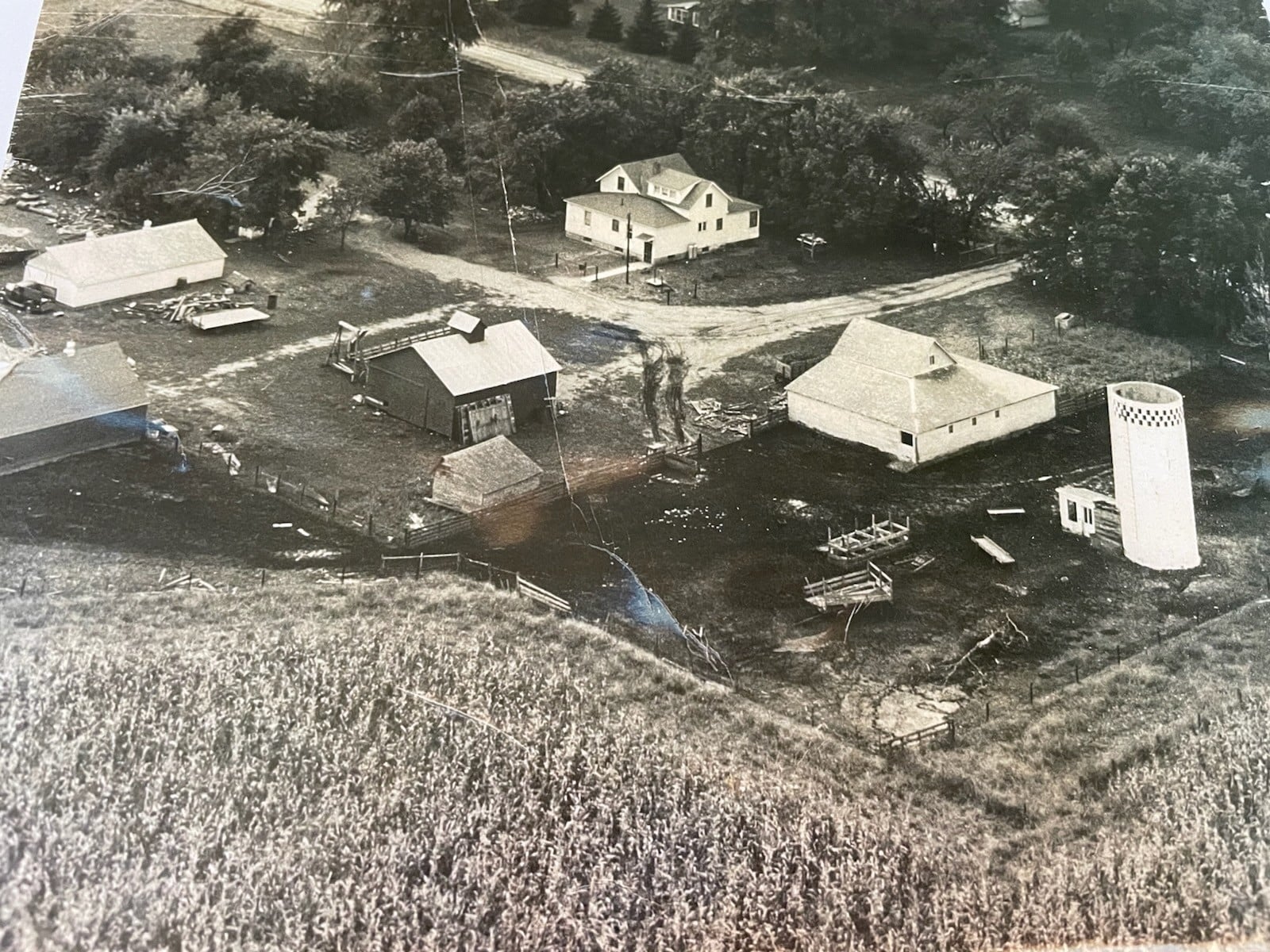
An aerial photograph of Julie Sprague's grandparents' farm in Wilton
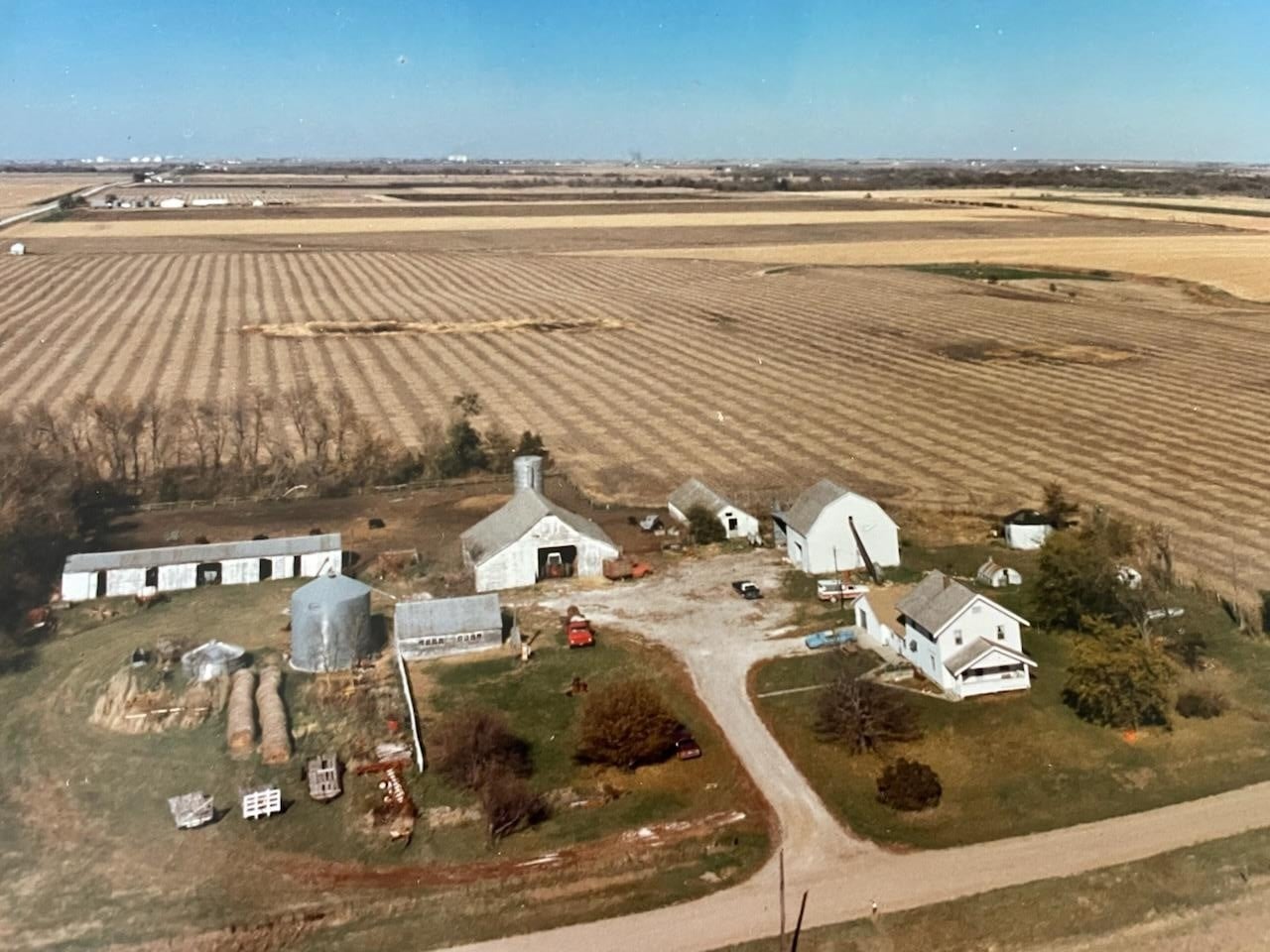
An aerial image of Julie Sprague's family farm in Wilton
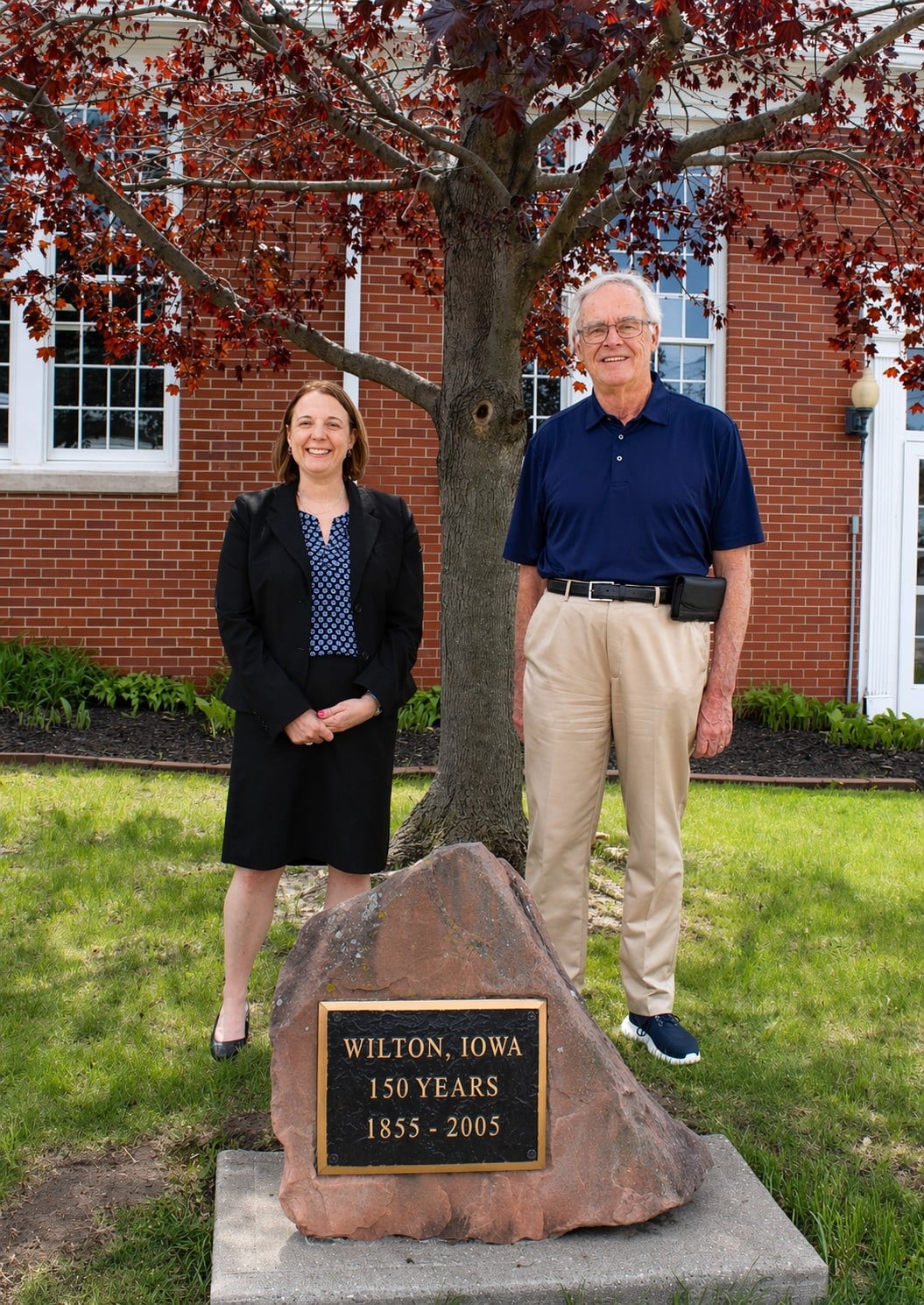
Julie Sprague and Gerald Denning in front of Wilton City Hall
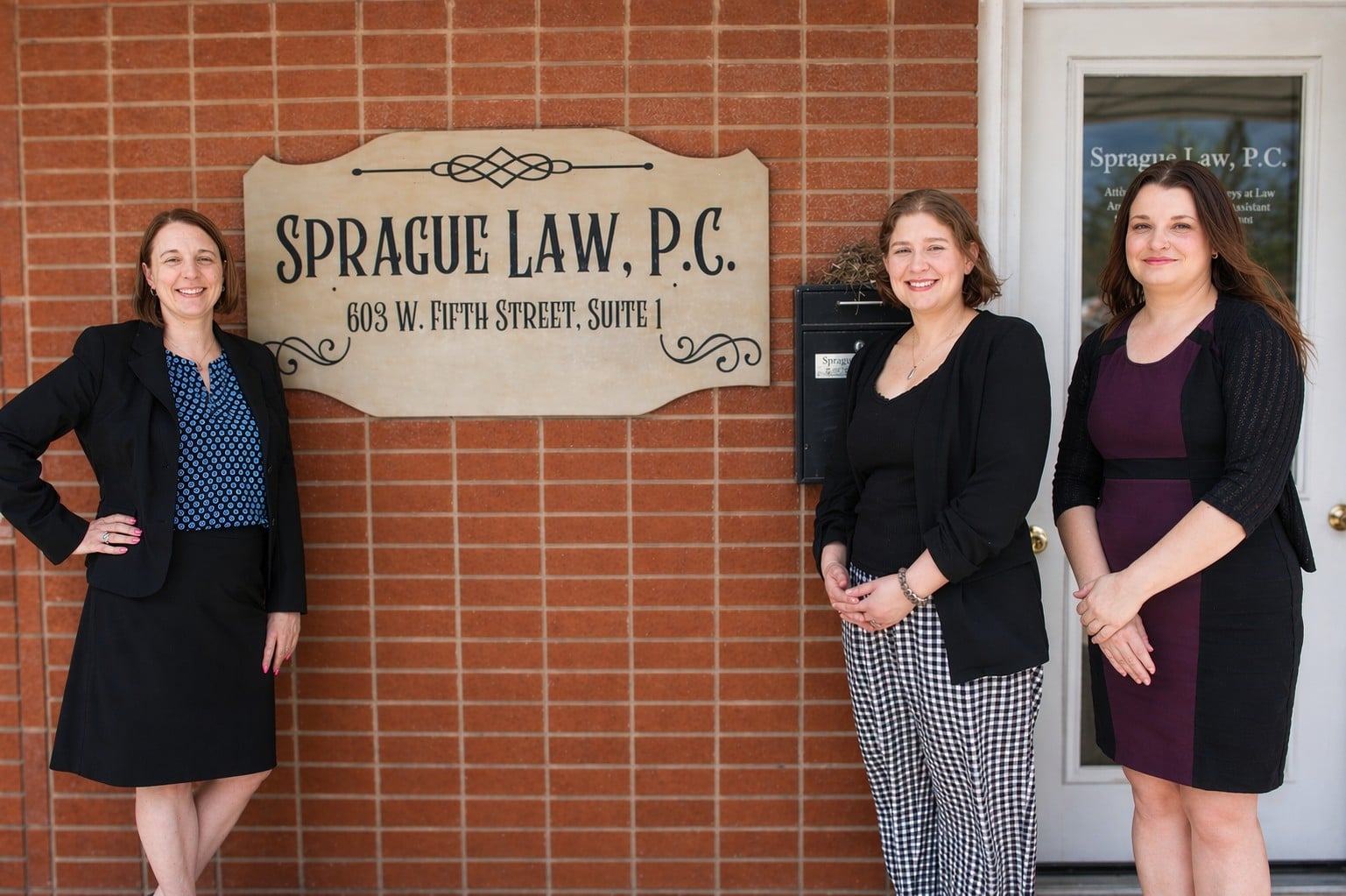
Julie Sprague and her legal office staff members, Ali George and Amanda Ellithorpe
About the author:
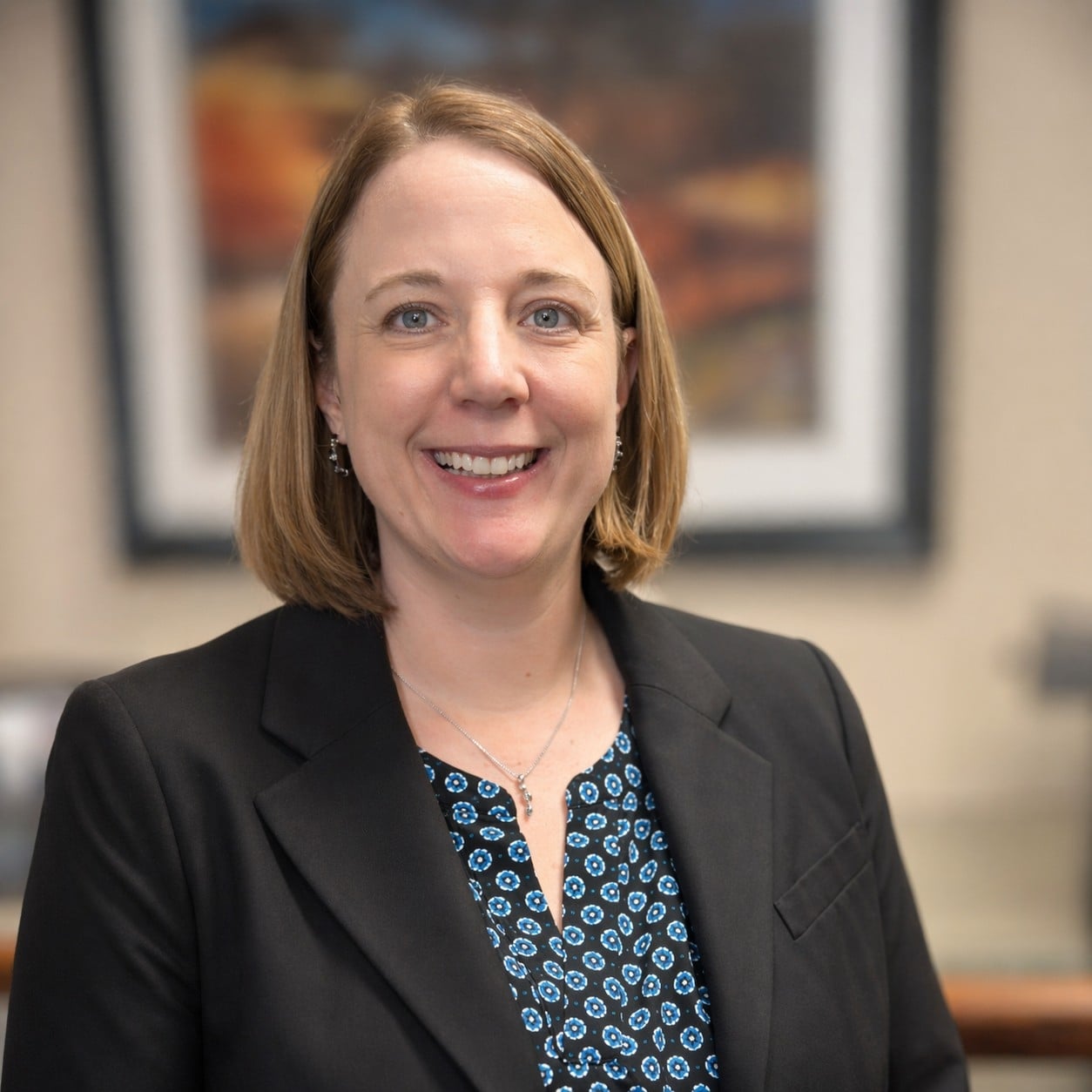
Julie Degen-Sprague is a graduate of Simpson College (2003) and Drake University Law School (2006). She has been in private practice since 2008, beginning her career with Allbee & Barclay P.C., serving clients in Wilton, West Liberty, and Muscatine. Since 2018, Julie has operated her own firm, Sprague Law, P.C., where she serves primarily agricultural and small-town communities. Her practice focuses on estate planning, probate, trust administration, real estate, business law, and municipal law.


